

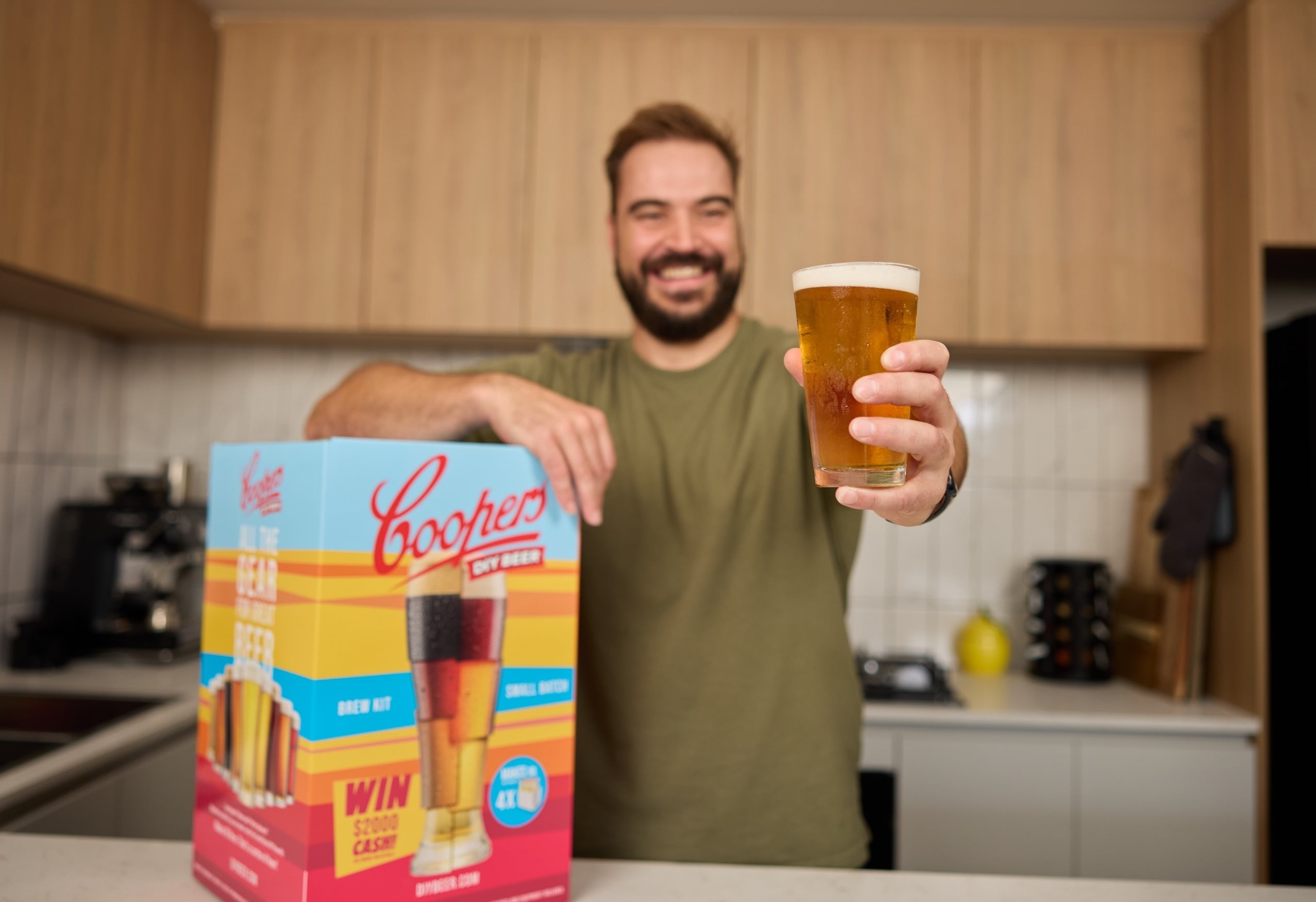
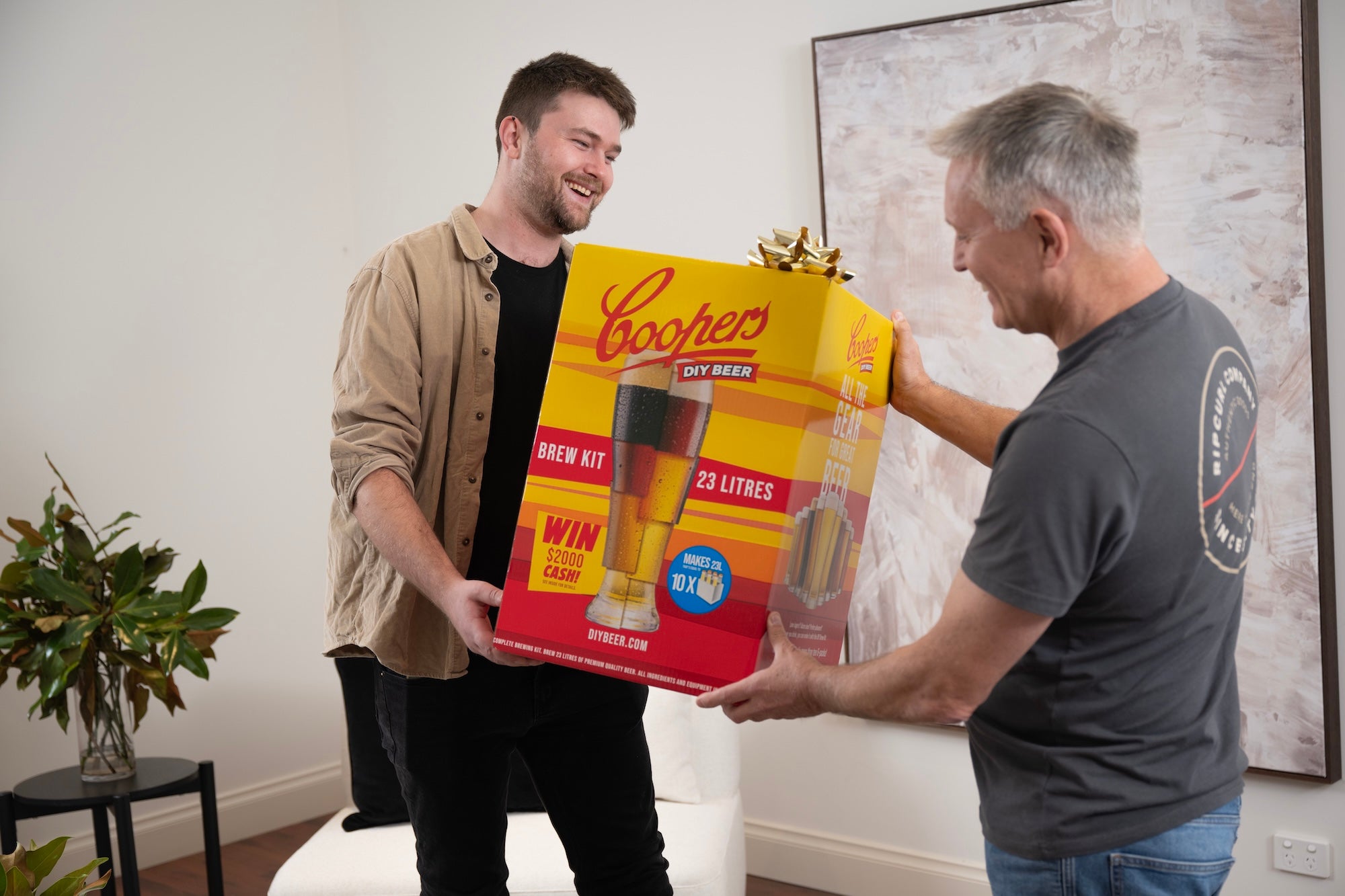


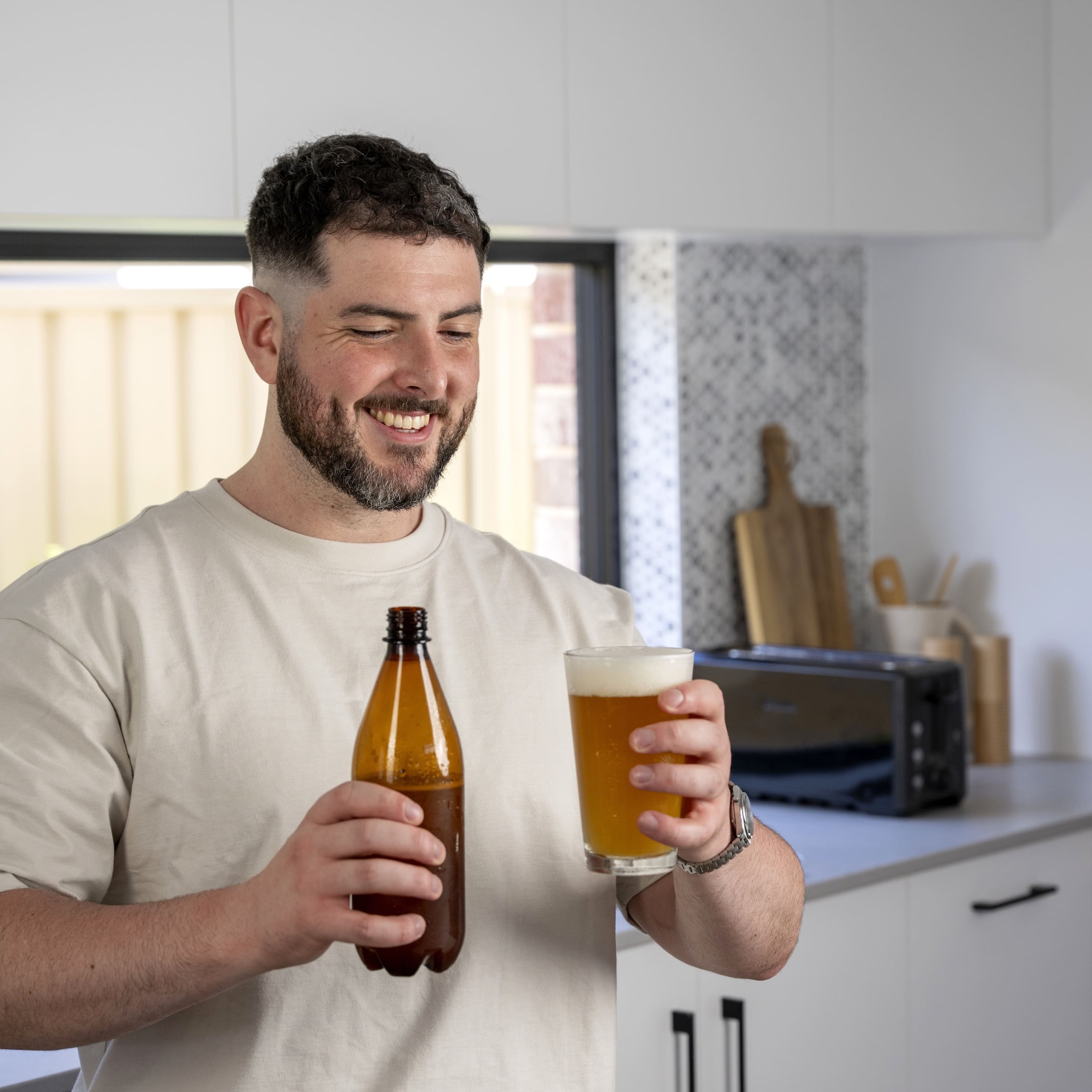
There’s a common assumption that brewing your own beer at home requires a large space - like a dedicated shed, garage setup or a fully equipped “brew zone”.
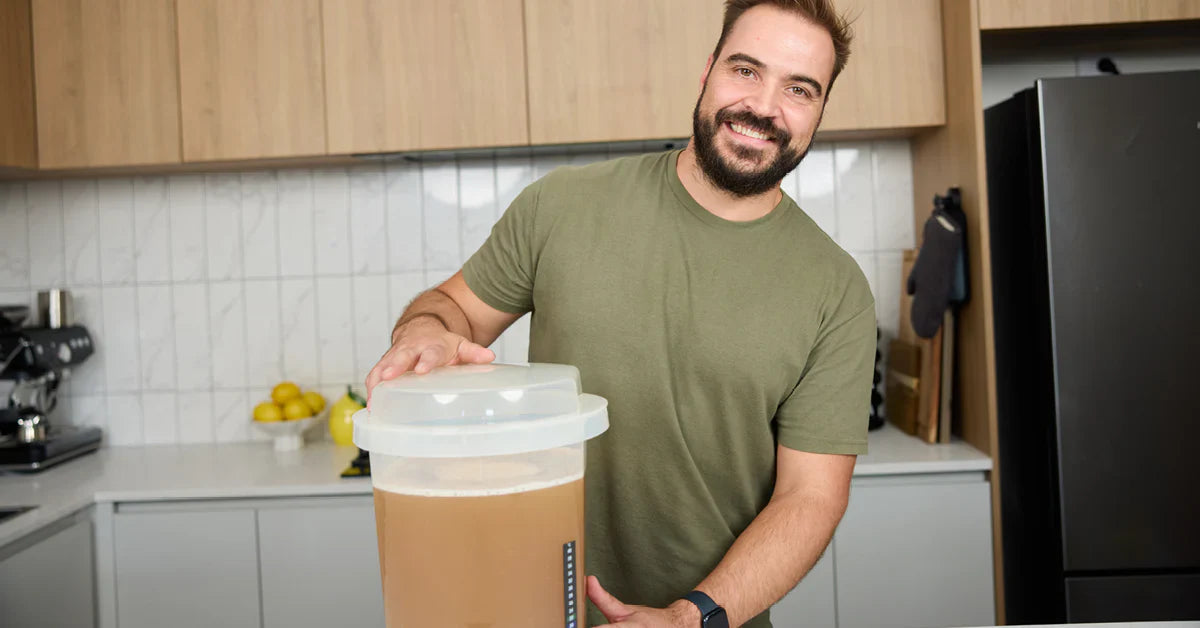
In reality, many brewers make great beer in surprisingly small spaces - from kitchen benches and laundry corners to spare cupboards and apartment balconies.
With the right setup, brewing beer can fit comfortably into an ‘everyday’ living space.
You Need Less Space than you Think
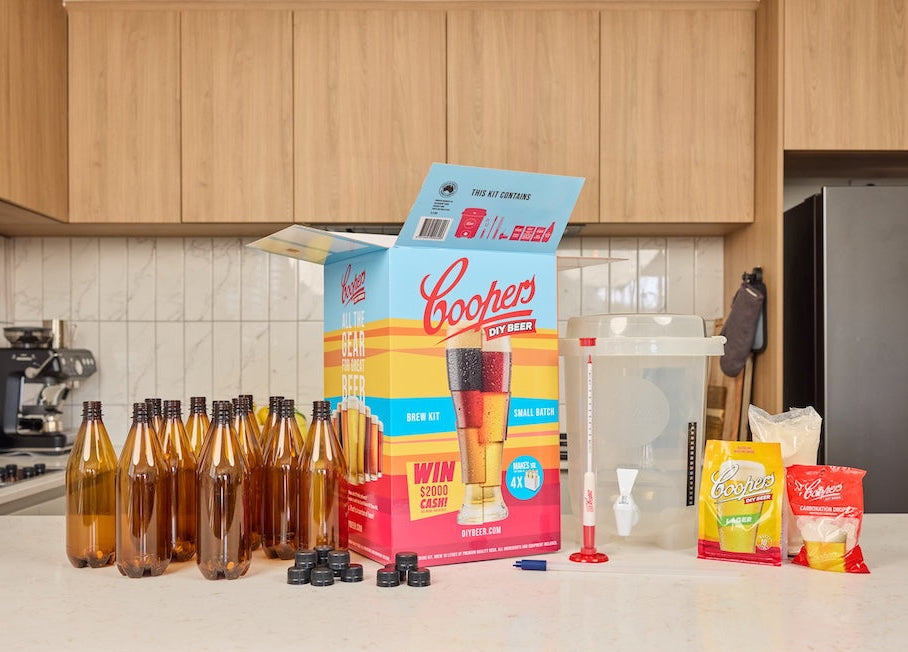
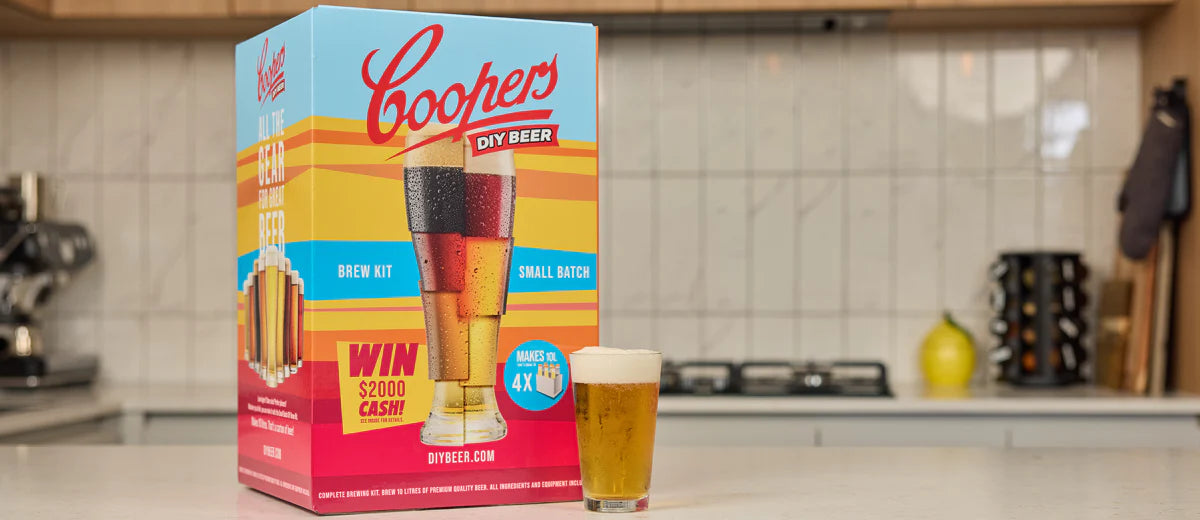
While some brewing equipment needs more space than others, modern small batch brew kits are designed to be compact, practical and easy to store. In many cases, the size compares to a small kitchen appliance.
What this means is if you have room for a slow cooker, air fryer or coffee machine, you likely have room to brew.
Common brewing spots include:
- A corner of the kitchen bench
- The laundry
- A pantry shelf
- A garage workbench
- A sheltered balcony
It’s less about the size of your space and more about making smart use of the space you already have.
The Three Areas You Actually Need

Brewing doesn’t require one large area. Instead, it helps to think in simple stages.
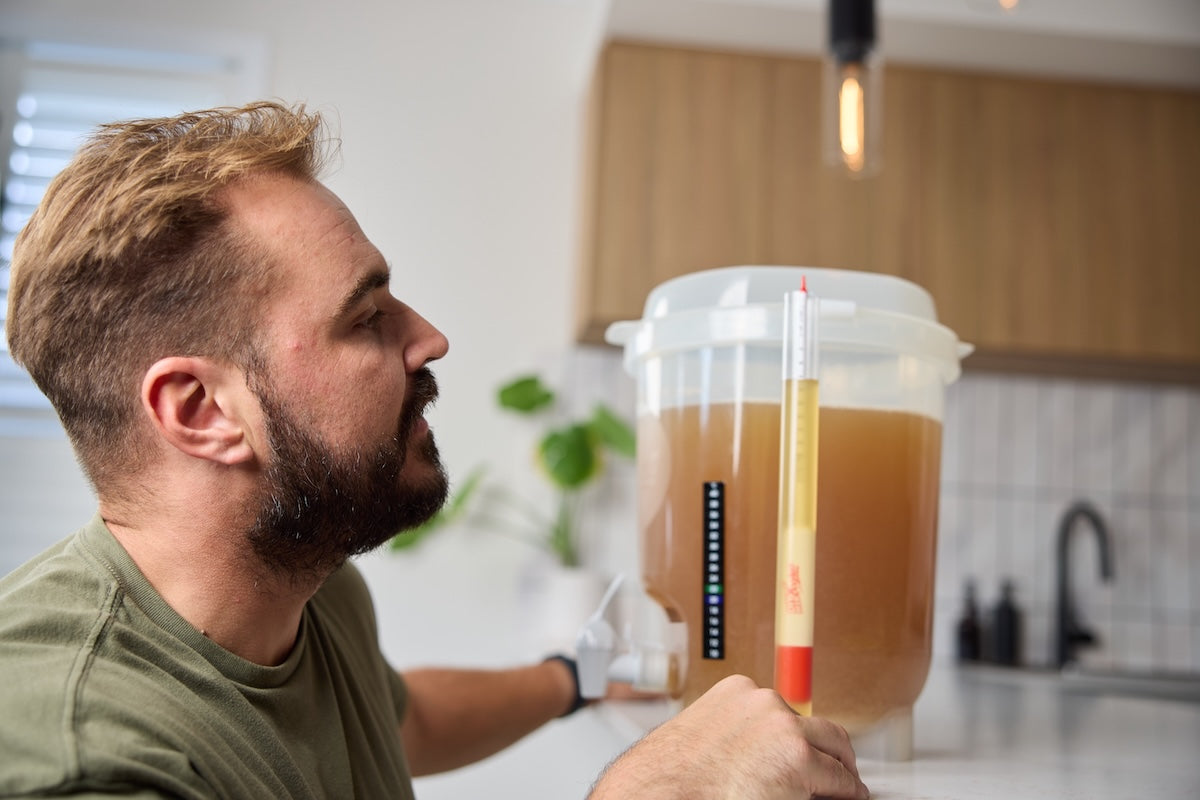
Fermentation Area

This is where your beer rests while the magic happens.
All it needs is:
- A stable surface
- Consistent temperature
- Protection from direct sunlight
Check out the common brewing spots above for some inspiration on where to put your fermenter. Once in place, it quietly does its job.
Bottling Area

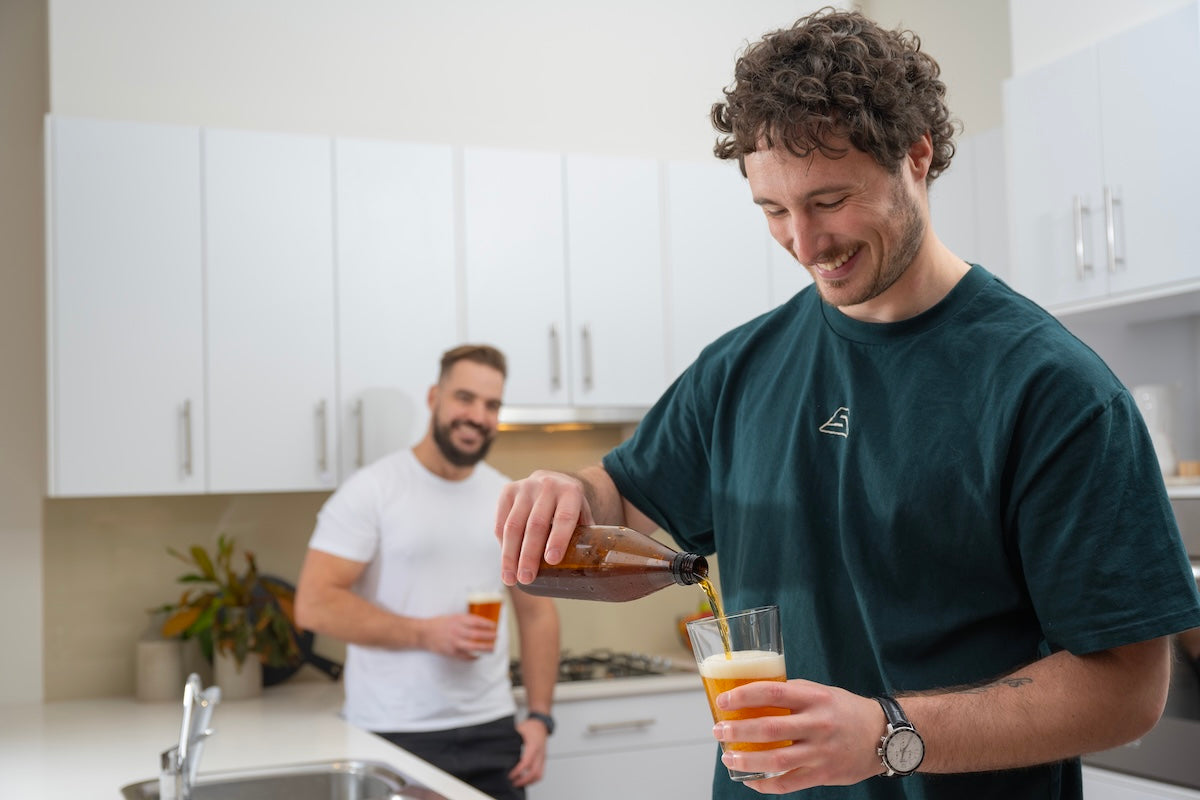
Depending where your FV was positioned while your brew fermented, you typically don’t need a dedicated area for bottling. If your fermenter is on a kitchen or laundry bench, simply slide it to the edge of the bench, attach the bottling valve to the tap,then place your empty PET bottle over the valve and fill.
We recommend placing a bucket, container or towel under the tap to catch any drips!
If your fermenter sits on a flat surface without an edge, simply gently move it temporarily, to a kitchen bench, dining table, outdoor table, or anywhere with an edge for bottling. Once finished, return it to its usual spot.
Storage Area

After bottling, store your beer in a dark place where the temperature sits around 18C or above, for around two weeks while secondary fermentation takes place.
This might be:
- Pantry shelves
- Cupboards
- Garage shelving
- Under-stair storage
- A spare corner
Brewing in Apartments and Smaller Homes
Limited space doesn’t mean brewing is off the table. Many brewers successfully make their own beer inside kitchen or laundry cupboards, spare corners or enclosed balconies. The key is keeping equipment organised and maintaining a stable environment for the beer. With small-batch brew kits, brewing can fit comfortably into apartment living or shared spaces.
Simple Ways to Make Brewing Fit Your Space

A few practical habits can make brewing more manageable:
✔ Store smaller items inside the fermenter between brews.
✔ Use stackable crates for bottles.
✔ Keep sanitising gear in one storage tub.
✔ Label shelves or crates for easy organisation.
✔ Choose batch sizes that suit your storage space.
Keeping things tidy helps brewing slot easily into your routine.
Choosing the Right Batch Size for Your Home
Both small and large brew kits have their advantages - choosing the right one simply comes down to your lifestyle and available space.
Smaller Brew Kits
- Easier to store.
- Ideal for experimenting.
- Great for limited space.
Larger batches
- Build a steady supply of beer.
- Perfect for sharing and entertaining.
- Fewer brew days needed.
There’s no need to commit to one however; plenty of brewers switch between both depending on the occasion.
Small Spaces with Big Brewing Possibilities
Hopefully this article has shown you that you don’t need a dedicated brewing room to make great beer. With a compact setup and a little organisation, brewing can become part of your everyday life - whether you live in a share-house, townhouse or apartment.
Start with the space you have and keep it simple.



Leave a comment
This site is protected by hCaptcha and the hCaptcha Privacy Policy and Terms of Service apply.