








Brew Better Beer: The 4 Habits Worth Building
Here's the thing about brewing better beer - it rarely comes from buying fancier equipment or chasing exotic ingredients. It comes from doing the fundamentals properly. Small adjustments, repeated batch after batch, result in premium-quality beer you'd happily put up against anything from the pub.
These are the four habits that make the biggest difference in how your beer tastes:
1. Sanitise, Sanitise, Sanitise
The first three rules of brewing? Sanitise, sanitise, sanitise.
When you make beer, there's a constant battle between brewing yeast and unwanted microbes, and you want yeast to win every time. Why? The reality is that many off-flavours and spoiled batches can be traced back to unwanted bacteria contaminating the brew. The good news? Preventing it is simple. Keep your equipment clean and properly sanitised from brewing through to bottling, and you'll eliminate one of the most common causes of brewing problems.
The fix is getting into the habit of cleaning and sanitising everything that comes into contact with your brew: fermenter, tap, spoon, bottling valve, bottles and caps. Every time. No exceptions, and definitely no shortcuts on the day you're tired.
Boring? A little. But it's the cheapest insurance in brewing great beer.
2. Fresh Is Best
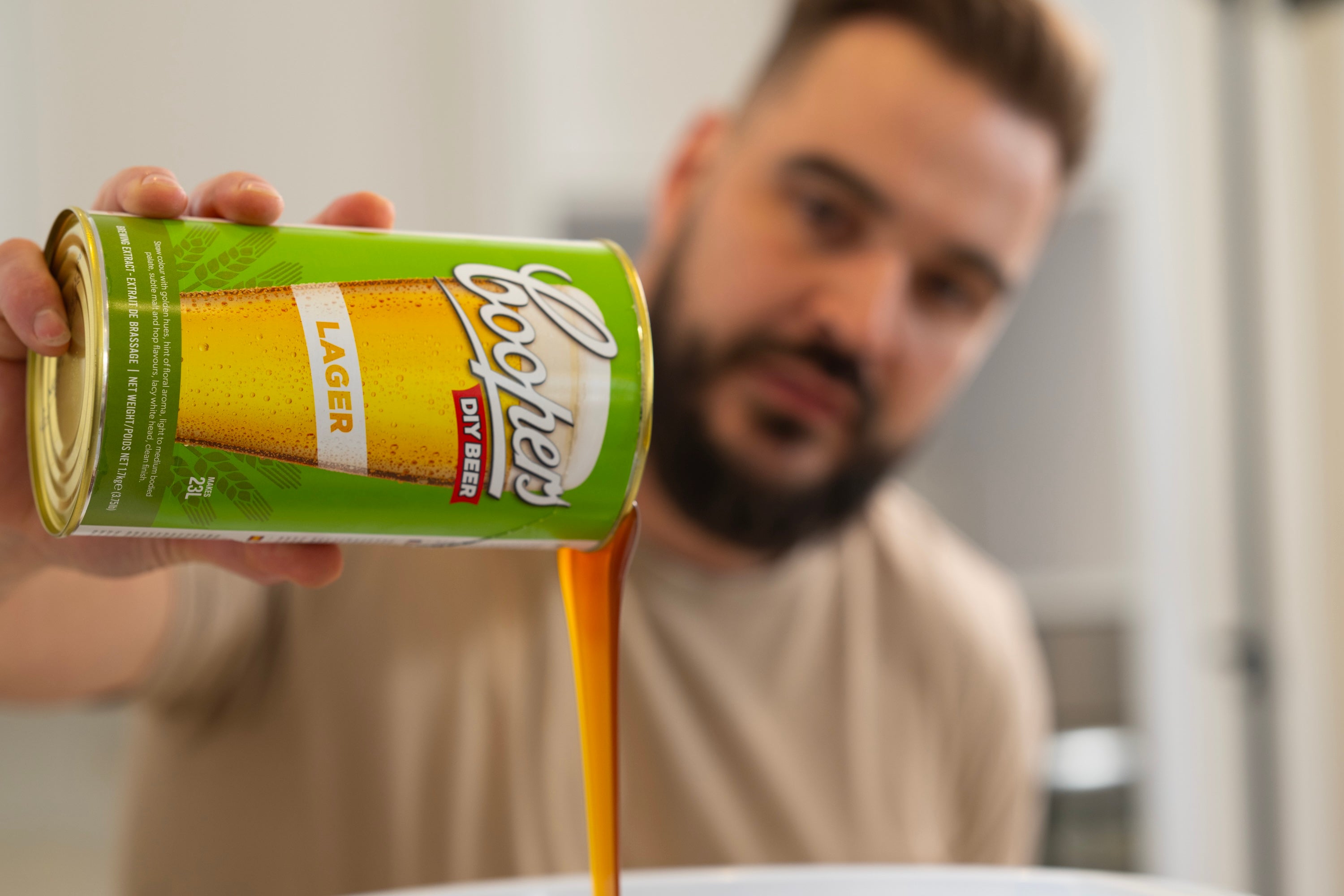
Yeast is a living organism and both yeast and your brewing extract are perishable ingredients that perform best when they're fresh. Store your ingredients in a cool, dry place and keep yeast refrigerated until brew day to help maintain their quality.
Before you brew, take a moment to check the best before date on your DIY brewing extract. After all, a sachet of yeast that's spent a year in a hot garage won't perform like one that's been stored correctly and used within the best before date.
Fresher ingredients mean healthier fermentation, cleaner flavours, and a beer that tastes the way it was designed to.
3. Forget the White Sugar in the Cupboard
Plain white sugar will ferment - but that's about all it does. It adds alcohol without adding character, and too much can leave your beer tasting thin.
Coopers DIY has a range of brewing adjuncts designed to do more: better mouthfeel, better body, and better head retention. Swapping regular sugar for a Coopers Brew Enhancer, is one of the simplest upgrades you can make - and you'll taste the difference in your next batch.
4. Control the Temp Like your Beer Depends on it
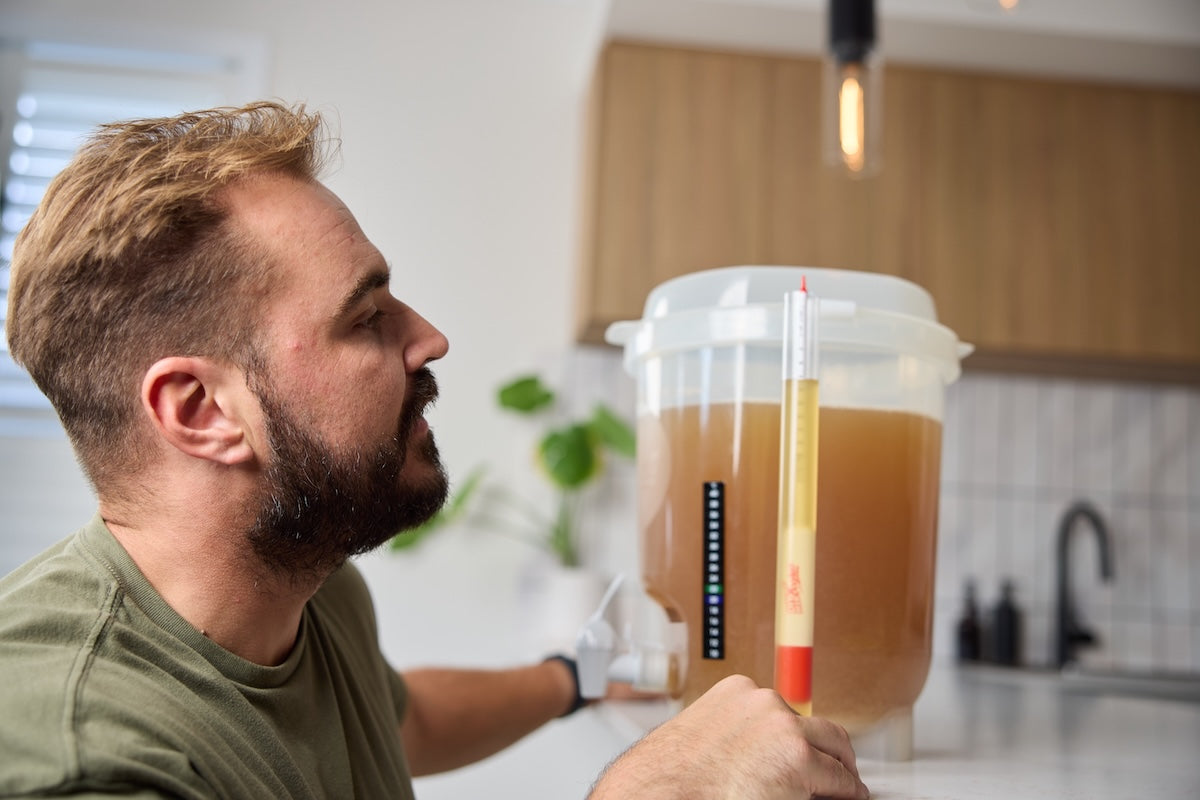
Because it does! Yeast are pretty picky. They like just the right environment to produce the same consistent beer, batch after batch. Too hot, and they throw undesirable flavours. Too cold, and fermentation might not finish at all. Every Coopers DIY brewing extract has a recommended temperature range - so you're never guessing. Keeping your brew within this range will ensure your beer ferments fully and tastes just as it should.

Hot Tip: Brew to your Environment.
Keeping your beer at a stable temperature throughout fermentation matters more than hitting one perfect number. A few ways to get there:
Pick a Consistent Room
Choose a spot in your house that doesn't swing in temperature between day and night.
Match your Beer to your Climate
If it's cooler where you are, look at brewing a lager. If it's warmer, an ale is a natural fit. You can still brew outside your geography - it just takes a little more management:
- In warmer spots: a bar fridge with a temperature controller makes an excellent fermentation chamber. No fridge? Wrap a wet towel around your fermenter and point a fan at it.
- In cooler spots: wrap a heat belt around your fermenter, or place a heat mat underneath it.
The good news: Coopers DIY yeasts ferment across a wide range of temperatures - just check the label on your brewing extract for yours. 
The Short Version
Brewing better beer isn't a tightly-held secret by pro brewers, or even that difficult. It just takes respecting the basics - sanitisation, fresh ingredients, the right sugars, and temperature control - done consistently.
Next time you’re brewing, add these habits into your process and see what a difference it makes.



Leave a comment
This site is protected by hCaptcha and the hCaptcha Privacy Policy and Terms of Service apply.