





Hopped Harvest Apple Cider
 Hoppy
Hoppy Citrus
 Fruity
 Crisp
Crisp

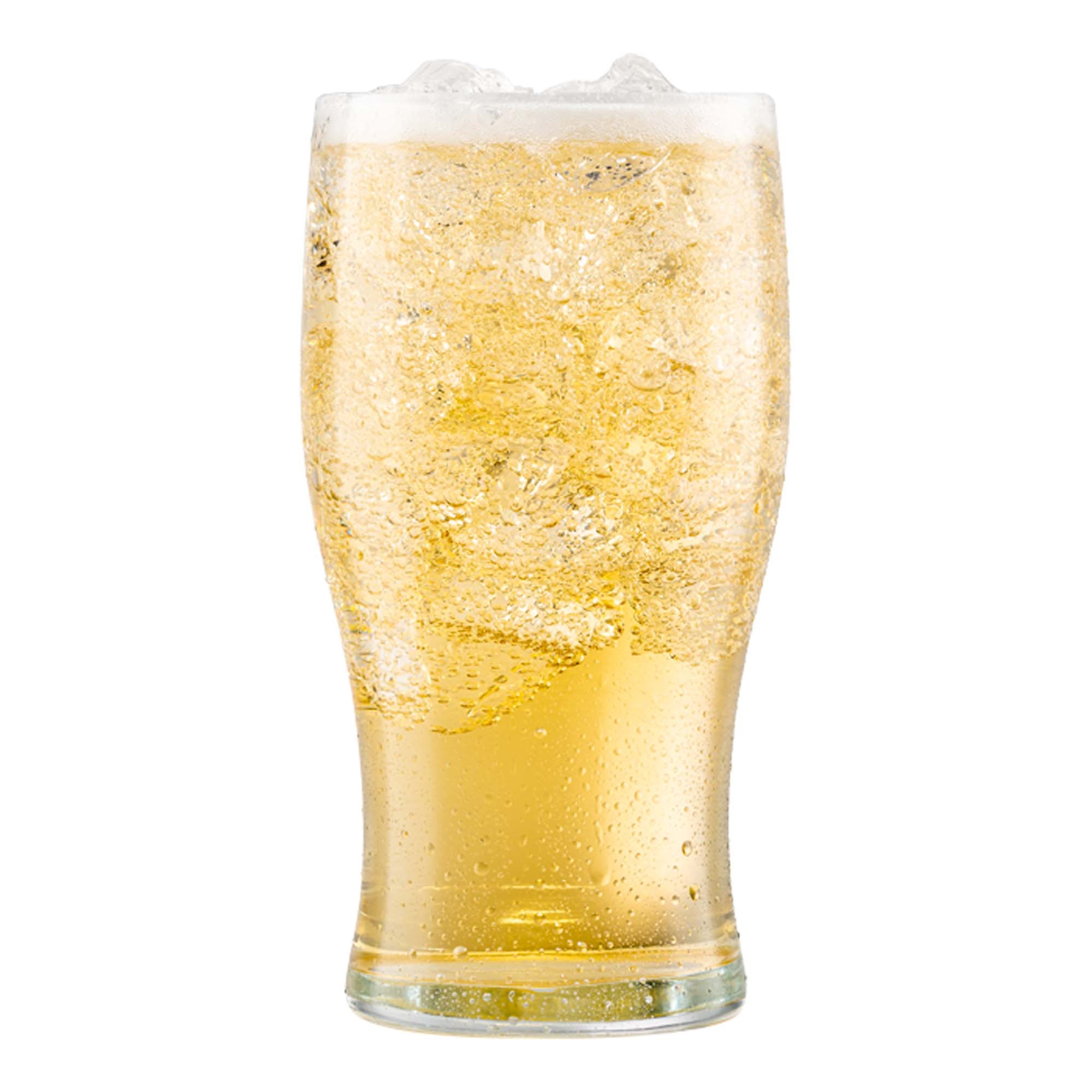
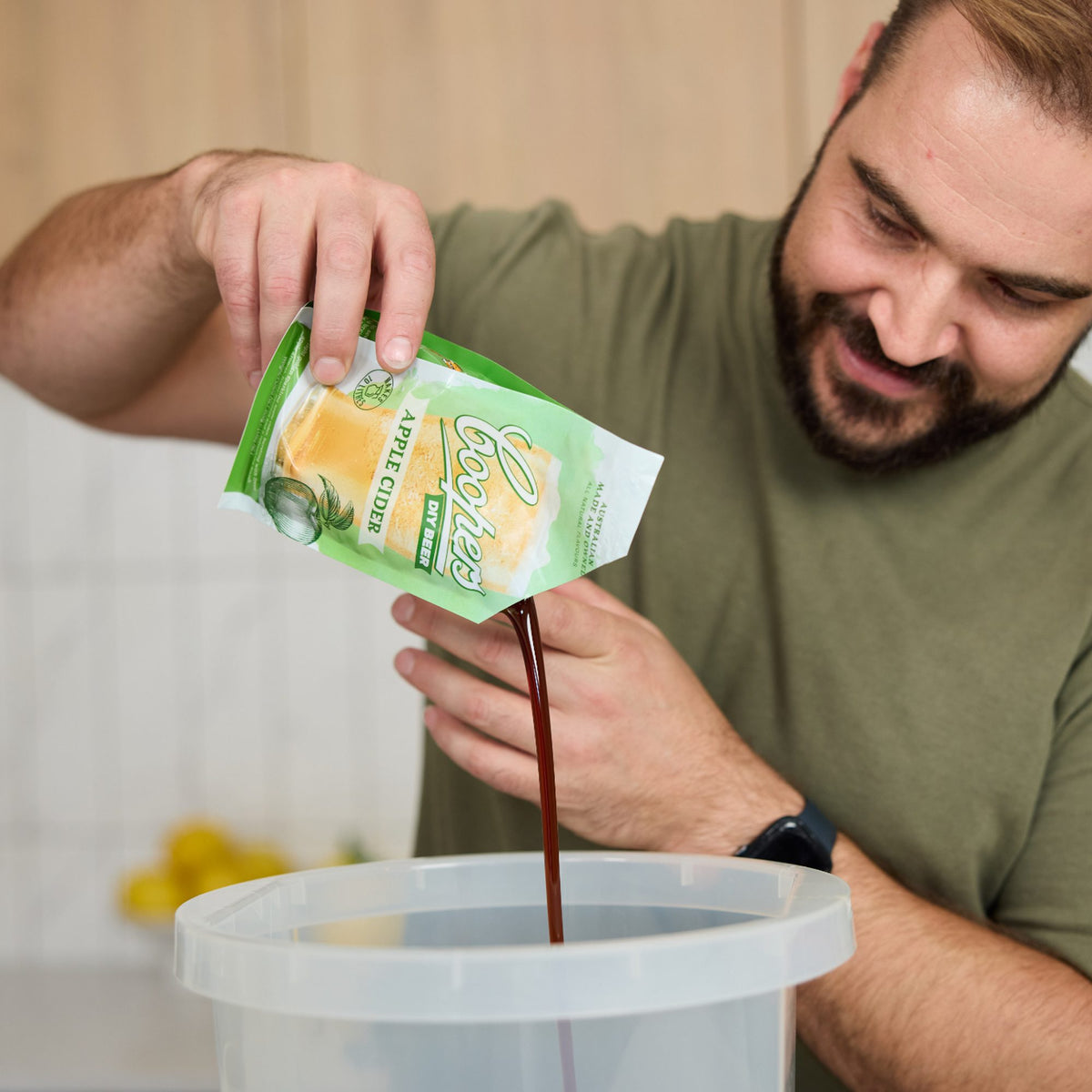
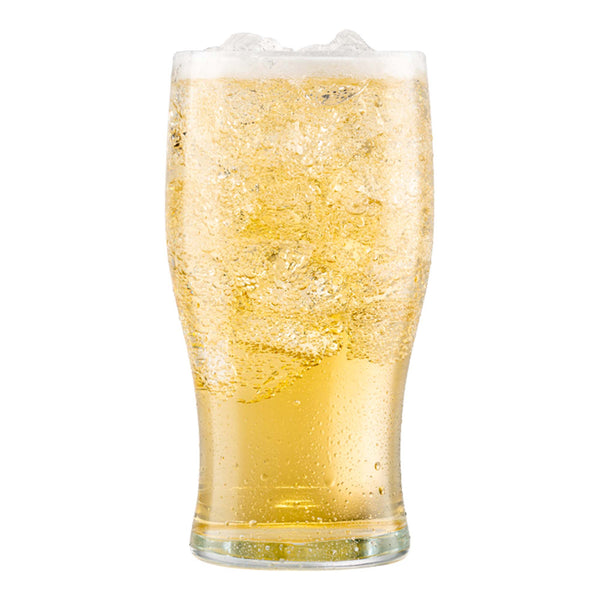
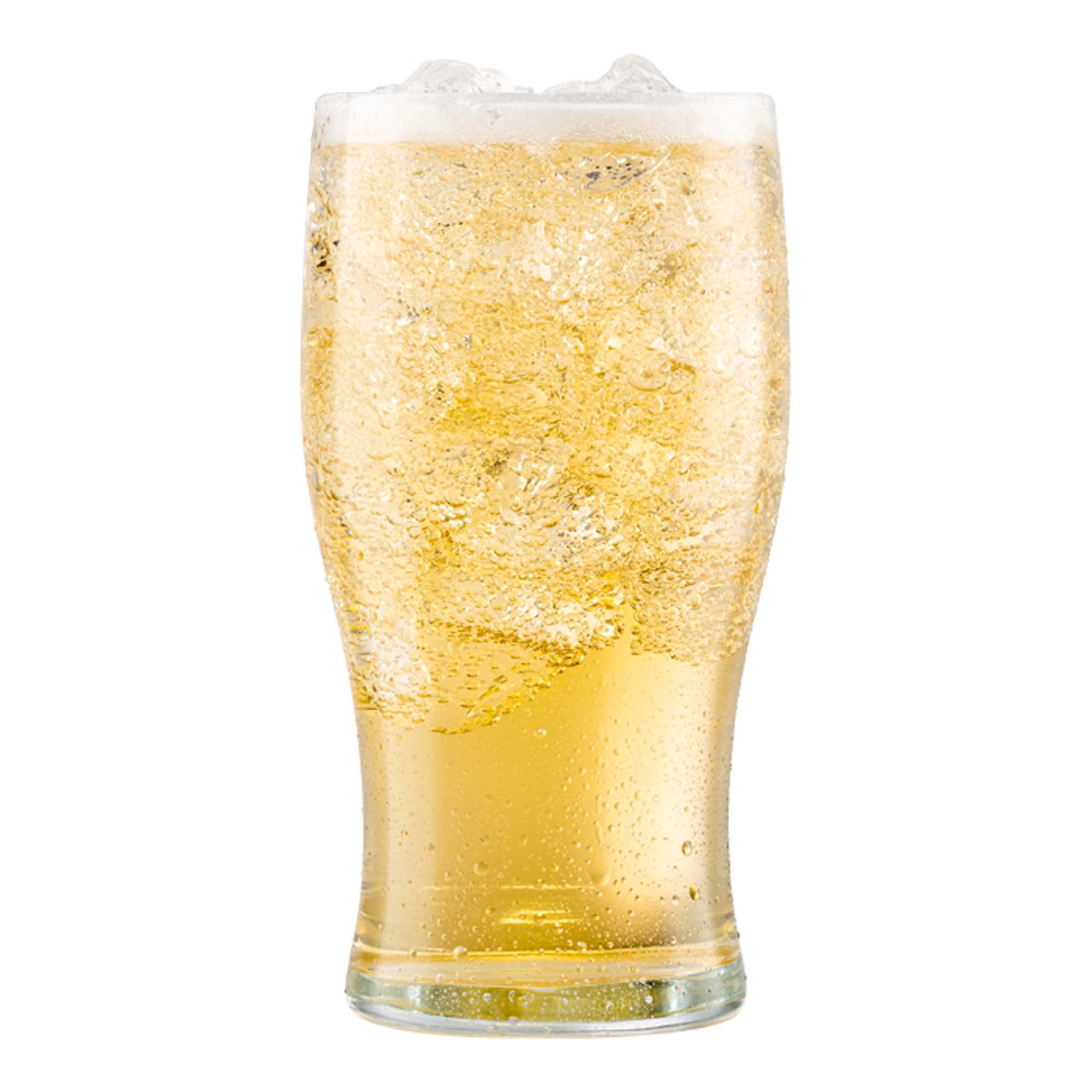
If autumn's all about new season's apples, then what better way to capture it than with our brand new Coopers Apple Cider extract? This zippy cider pours pale and crystal clear with a slight effervescence. As the aromas gather, you'll find the unmistakable scent of fresh apples. But there are also hints of bright citrus and tropical fruit from the Solero hops to be found. The palate is crisp and refreshing, as your tastebuds haul in a crop of flavours, with the natural apple sweetness balanced by bountiful notes of lime, grapefruit, and a hint of passionfruit. Yielding a clean finish with a dry, tangy edge, the cider's rewarding hop characteristics don't overshadow the apple's naturally fruitful profile. Allergen Information: please note as our Apple Cider extract contains malted barley, this recipe is *not* Gluten Free.
Ingredients: Apple Cider Concentrate (Natural Flavourings, Sugar, Dextrose, Water, Acidity Regulator (330)), Malted Barley, Water, Sugar, Glucose and Hops.
Contains: Gluten.
Beer Style: Ale
Volume: 10L
ABV: 4.2
Colour (EBC): 2
Difficulty: Intermediate
ABV 4.2%

Alcohol by Volume
EBC 2
Colour
Recipe Components
This Recipe
Print Recipe




Home Recipes HOPPED HARVEST APPLE CIDER
Hopped Harvest Apple Cider
If autumn's all about new season's apples, then what better way to capture it than with our brand new Coopers Apple Cider extract? This zippy cider pours pale and crystal clear with a slight effervescence. As the aromas gather, you'll find the unmistakable scent of fresh apples. But there are also hints of bright citrus and tropical fruit from the Solero hops to be found. The palate is crisp and refreshing, as your tastebuds haul in a crop of flavours, with the natural apple sweetness balanced by bountiful notes of lime, grapefruit, and a hint of passionfruit. Yielding a clean finish with a dry, tangy edge, the cider's rewarding hop characteristics don't overshadow the apple's naturally fruitful profile. Allergen Information: please note as our Apple Cider extract contains malted barley, this recipe is *not* Gluten Free.
| Beer Style | Ale |
| Flavour Profile | Hoppy, Citrus, Fruity, Crisp |
| Alcohol Content | 4.2% |
| Colour (EBC) | 2 |
| Volume | 10L |
| Difficulty | Intermediate |
Ingredients
1. Mix
2. Brew
3. Bottle
4. Enjoy
You May Also Like

 Citrus
 Fruity
 Crisp
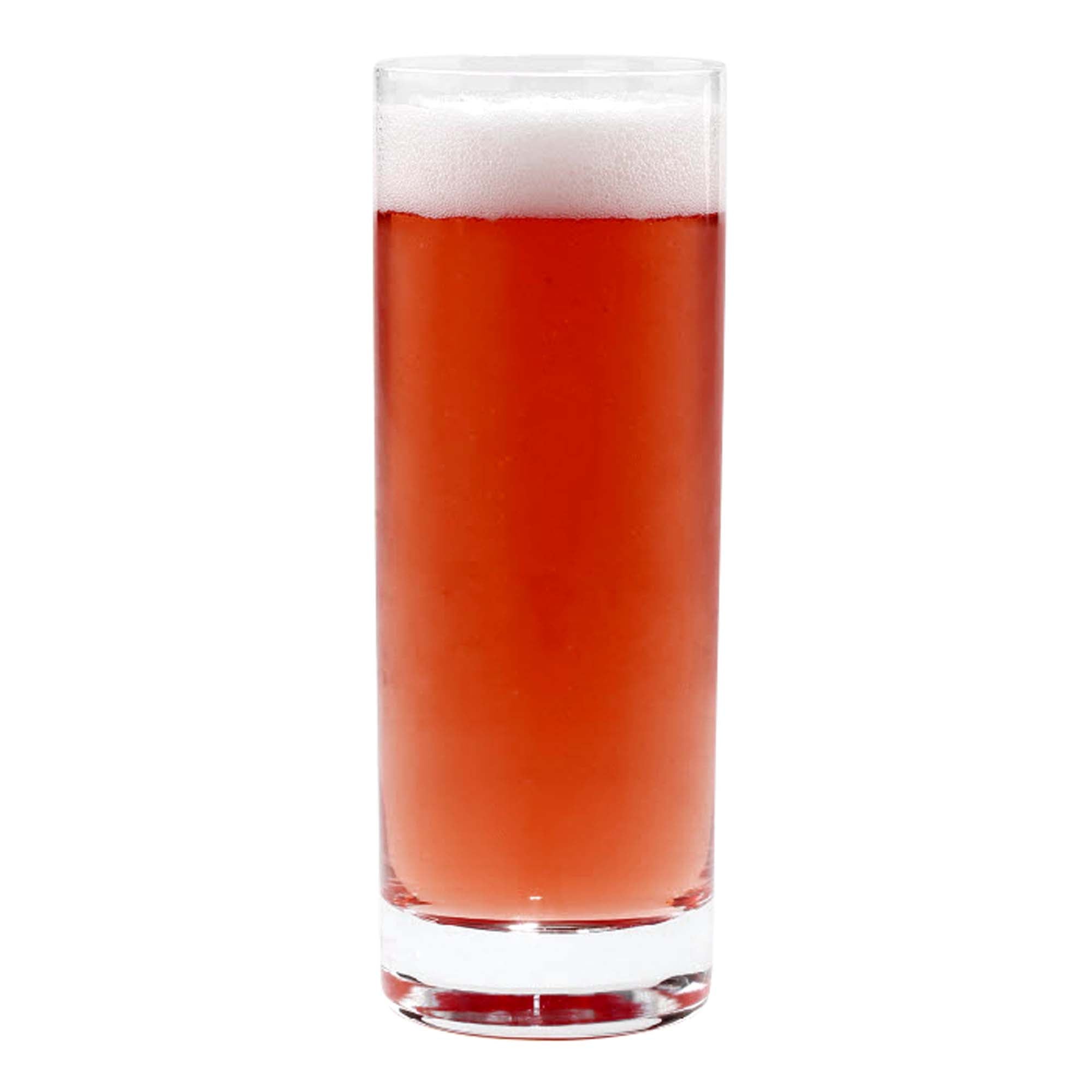
CrispIt's got zip and pizzazz. It's got razzmatazz! This zingy craft beer will put the zest in your summer and...
 Fruity
 Spicy
Spicy SweetCrisp
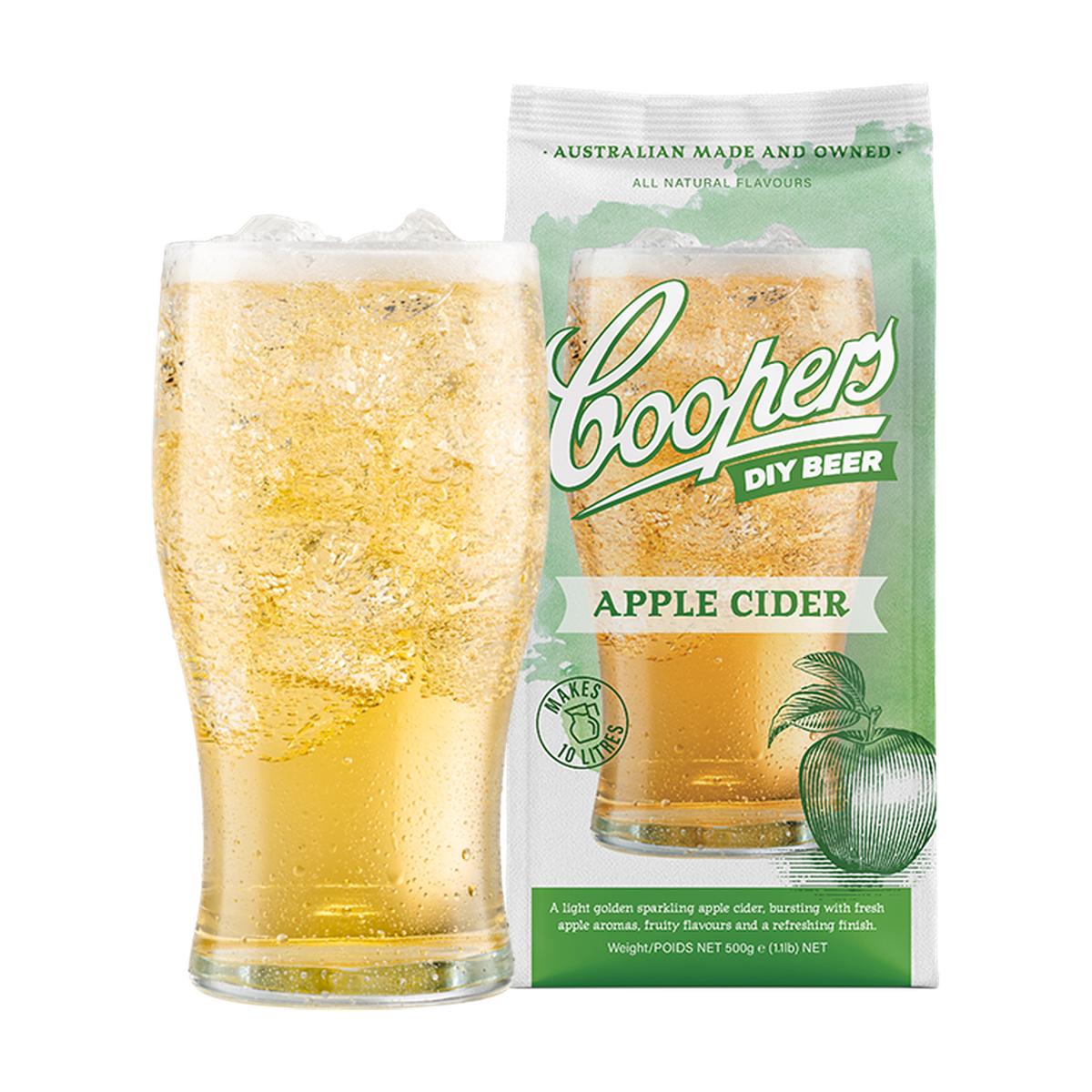
A light golden sparkling apple cider, bursting with fresh apple aromas, fruity flavours and a refreshing finish.
Common Questions
- Easy: Basic brewing, but beautiful beers! Brewing Extract + Fermentable; requires only a can opener, scissors, spoon and water. Or for a little more, an extra ingredient commonly found in the pantry.
- Intermediate: Simple additions to enhance your brews! Introducing hops, herbs and flavourings which are added during or at end of ferment.
- Advanced: For adventurous brewers adding grains and hops will elevate your brews! Grain and hop ingredients typically involve proper handling techniques and extra equipment, prior to mixing.
- Expert: Brew the ultimate DIY Beer! Make up a yeast culture, source your grains or roast your malt – good things take time so you’ll need to be prepared before brew day.
We recommend cracking your malt/grain on brew day or as required. Our simple, no-mess method requires only a zip-lock plastic bag and a rolling pin. Place the malt/grains in the zip-lock bag and seal, lay the bag flat on a bench top (spreading evenly within the bag) and run a rolling pin over the bag. For best results, do not over fill the bag. As such, it may take a few fills of the bag to crack all the malt/grain.
Most brewers find it easier to keep warm (with insulation) rather than cooling their brew because the brew generates heat as it ferments.
Non-electrical temperature control Wrap the fermenting tub in a 0ºC-5ºC rated sleeping bag , blankets or an old jacket. Place the fermenter in a large esky, insulated box, non-working fridge or freezer. Sit the fermenting tub in a laundry tub with frozen PET bottles. Place the fermenter in a cellar or on a cool bare concrete floor. Partially roll a towel and place in the lid of the fermenter, fill the well of the lid with cold water and drape the towel over the side of the fermenter allowing the water to wick down the towel.
Electrical temperature control Heat pad or heat belt. Tea chest, box, cupboard, old fridge etc. with a 25W-40W incandescent lamp controlled by a thermostat, dimmer switch or timer switch. Place in an air-conditioned room. Place in a working fridge or freezer with modified thermostat. Place near an inside storage hot water system. Wet towel method with an electric fan blowing over it.
Signs of fermentation are:
- Foaming
- Cloudiness in the brew
- Obvious convection within the brew.
- A sample drawn from the tap is fizzy
- The density has dropped to less than the OG.
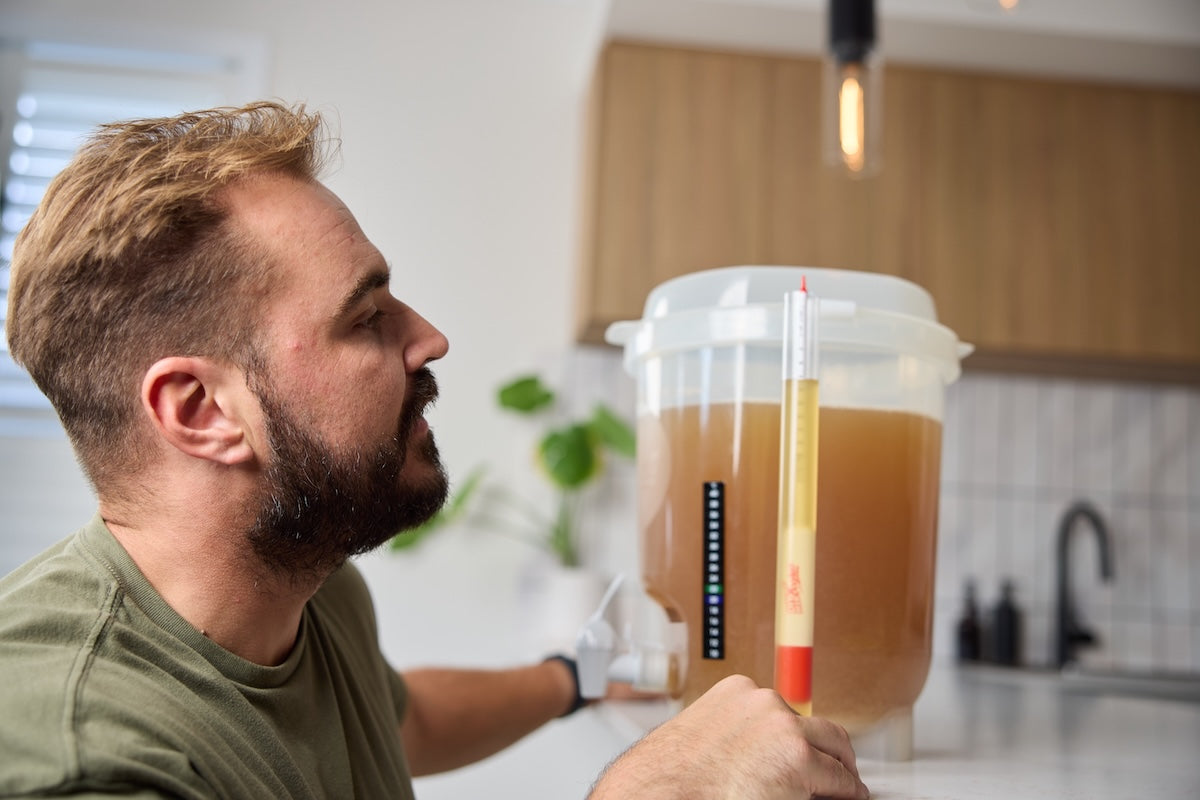
The hydrometer is a calibrated instrument used to determine the Specific Gravity (SG) of the brew. SG is the density of a liquid relative to the density of water. With the hydrometer floating, the SG is read at the point where the graduated scale cuts the surface of the liquid in the sample flask (meniscus).
To get an accurate reading you may need to 'de-gas' your sample. To do this, pass the sample from one glass to another and back again four to five times, then return the sample to the flask. Ensure that enough beer is in the flask to allow the hydrometer to float freely and the surface is relatively free of foam. To dislodge bubbles clinging to the Coopers DIY Beer plastic hydrometer, tap the floating hydrometer downward so that it bumps on the base of the measuring tube. DO NOT attempt this with a glass hydrometer (read the below FAQ for more on glass hydrometers).
Please note that FG may vary from brew to brew. So it’s important to ensure that the FG is stable over two days prior to bottling.
For more information, click to watch our how-to-video on Hydrometer Use.
Tag #CoopersDIYBeer to be featured